
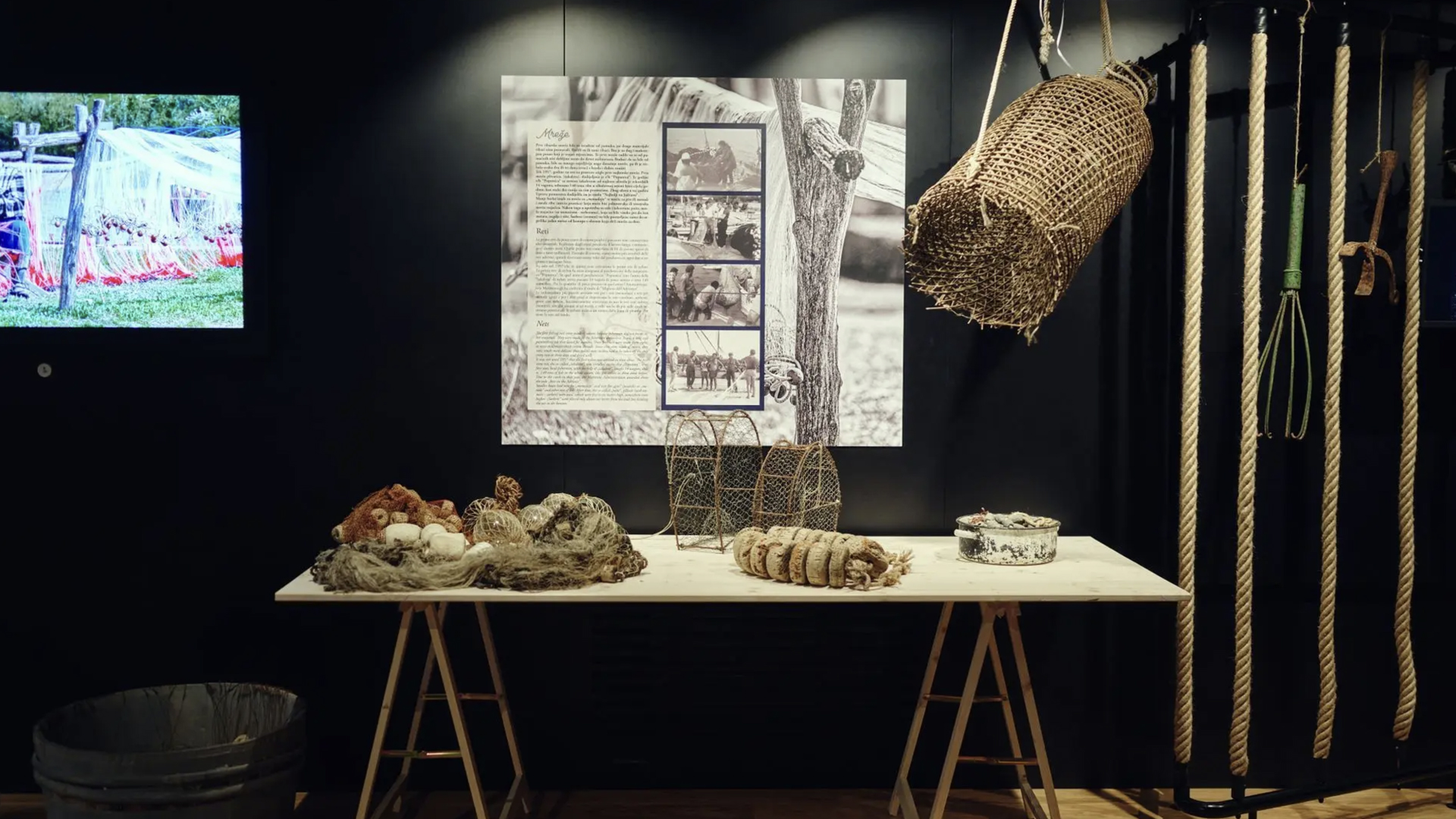
Fisherman's house is a place where you will get to know the life of local fishermen, ways of catching fish, shellfish and mussels.

The episcopal complex, which comprises the basilica itself, a sacristy, a baptistery and the bell tower of the nearby archbishop's palace, is an excellent example of early Byzantine architecture in the Mediterranean region.

Motovun is a medieval town that grew up on the site of an ancient city called Castellieri. It is on a hill 270 metres above sea level with houses scattered all over the hill. On the inner walls are several coats-of-arms of different Motovun ruling families and two gravestones of Roman inhabitants.

The arena is one of the best-preserved ancient Roman amphitheatres in the world and the only remaining example to retain its entire circular wall structure. Originally built outside the city walls, the arena once accommodated up to 23,000 spectators and served as the main venue for gladiatorial contests, animal hunts, and other forms of public entertainment typical of the Roman Empire.

Along the coast of western Istria, there are several groups of islands among which the most interesting, the largest and the most indented is the Brijuni group of 14 islands and islets. Experience the untouched nature of the Brijuni National Park by visiting these beautiful Adriatic islands. Explore their rich natural, cultural-historical and geological heritage
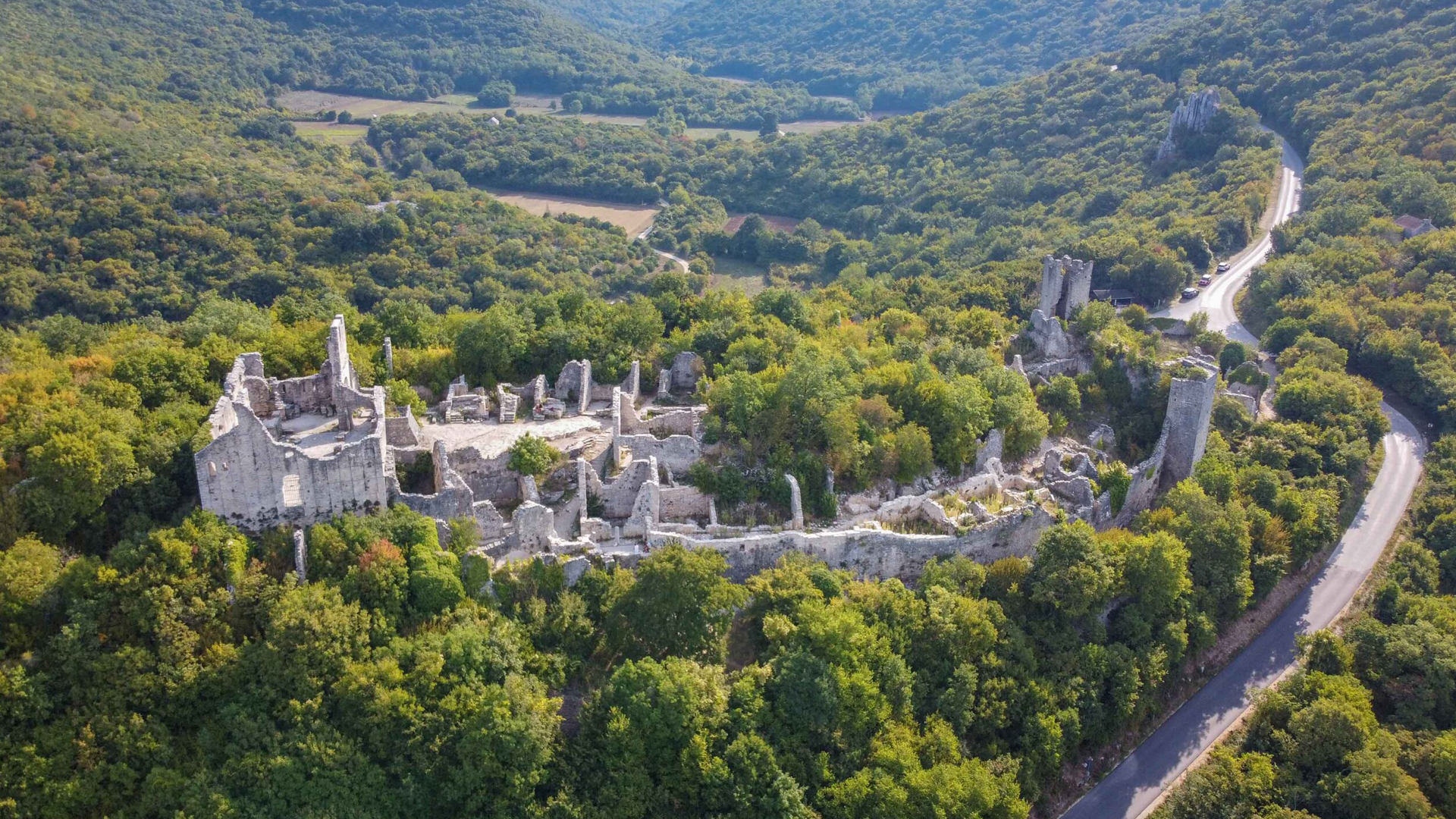
Current remains represent a well preserved, typical medieval town castle. It is encircled by the two rings of town walls connected by the town gate, of which there are three just as many as its defensive towers. The Church of St. Sophia still dominates the town.
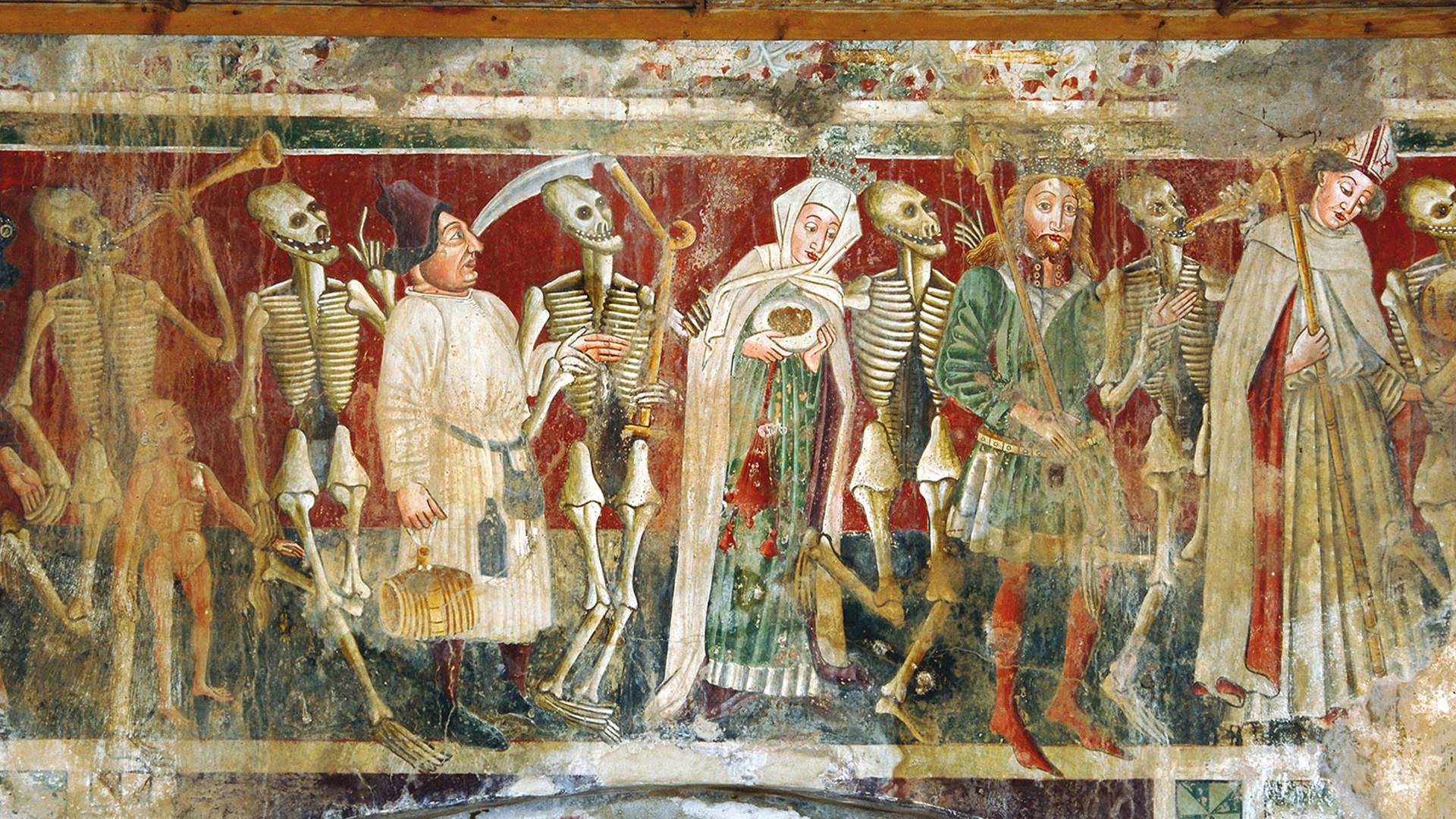
The Dance of Death is the most famous Istrian fresco located in the picturesque Church of St. Mary on Škriljinah in Beram. Frescoes were finished in 1474 by the workshop of Master Vincent from Kastav, of which there is a Latin inscription depicted on the south wall.
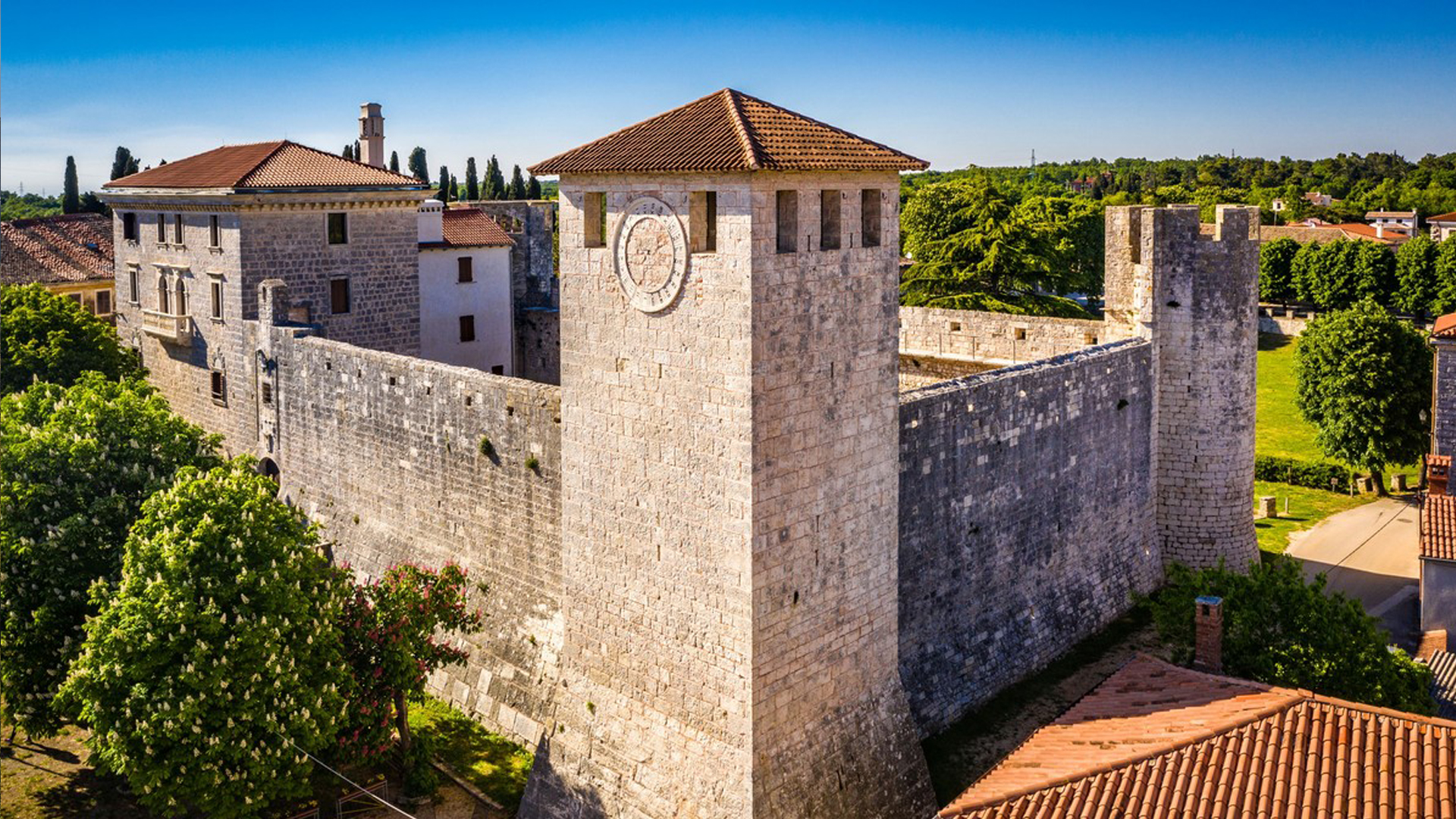
The Morosini-Grimani Castle is one of the best-preserved castles on the Istrian peninsula and it is the largest edifice in Svetvinčenat, which has been a symbol of the place and destination for centuries. Over the centuries, the castle gradually developed.
